

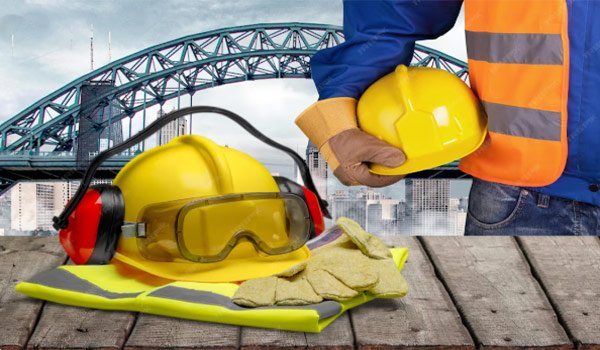
From large infrastructure projects to residential remodels, construction workers face a complex set of hazards daily. While the industry is rewarding and essential, it also ranks among the most dangerous fields worldwide. That’s why safety measures including wearing high-visibility gear like a hi vis vest play such a crucial role in preventing injuries. Increasing awareness about workplace hazards is the first step toward fostering a safer environment for all construction professionals.
Why Construction Work Is So Dangerous
Construction sites are constantly evolving. New deliveries arrive, heavy equipment moves around, weather changes occur, and numerous trades overlap in the same working space.
Key reasons the field carries high risks:
- Exposure to heights, trenches, and unstable structures
- Handling hazardous materials or chemicals
- Operating or working near heavy machinery
- Noise that interferes with communication
- Weather conditions impacting surfaces and visibility
Even experienced workers can find themselves in unsafe situations if hazards go unnoticed.
Major Safety Hazards Every Construction Worker Faces
1. Working at Heights
Falls contribute to the majority of fatal construction accidents. Inadequate harnesses, unstable ladders, and unprotected edges are common contributors.
2. Heavy Machinery Accidents
Bulldozers, cranes, excavators, and forklifts create high-risk zones. Workers must be clearly visible to equipment operators at all times.
3. Chemical and Respiratory Exposure
Dust from demolition, silica particles, fumes from adhesives, and welding smoke can cause long-term respiratory issues when inhaled.
4. Electrical Hazards
Live wires, improperly grounded tools, and accidental contact with power sources pose extreme risks.
5. Slips, Trips, and Falls
Uneven surfaces, loose tools, and poor lighting make tripping hazards common.
6. Heat and Cold Stress
Outdoor construction exposes workers to extreme temperatures, affecting focus, hydration, and reaction time.
How Visibility Saves Lives on Construction Sites
Being seen is one of the most powerful ways to prevent accidents.
High-visibility clothing is designed to catch the attention of machine operators, drivers, and other workers especially in dim or cluttered environments. A hi vis vest reflects light and stands out against surroundings, dramatically reducing the chances of struck-by incidents.
Visibility is especially critical:
- During nighttime operations
- In fog, rain, snow, or dusty conditions
- In roadside construction zones
- In areas with trucks, forklifts, or cranes
- When workers are positioned behind equipment
OSHA regulations often require workers to wear hi-vis gear in hazardous areas for this exact reason.
The Role of PPE in Construction Safety
Personal Protective Equipment (PPE) is a construction worker’s last line of defense.
Essential PPE includes:
- High-visibility vests and clothing
- Hard hats to protect from falling objects
- Safety goggles to shield eyes from dust or debris
- Steel-toe boots to prevent foot injuries
- Gloves for grip and protection
- Respirators for dust and chemical exposure
PPE only works when worn consistently and maintained properly.
Workplace Safety Training & Its Importance
Training empowers workers to recognize hazards, operate machinery safely, and react effectively during emergencies.
Critical training topics include:
- Fall protection techniques
- Ladder and scaffold safety
- Proper lifting and material handling
- Hazard communication (HAZCOM)
- Electrical safety protocols
- Emergency rescue procedures
Construction companies with strong training programs see fewer injuries and higher productivity.
The Importance of Clear Communication on Job Sites
Because construction crews often work in noisy environments, communication must be strategic and intentional.
Effective communication methods:
- Pre-shift safety meetings
- Hand signals for crane and equipment operators
- Walkie-talkies in large or spread-out sites
- Color-coded signs and hazard indicators
- Marked walkways to separate workers from vehicles
Clear communication reduces confusion and ensures everyone understands potential hazards.
Building a Culture of Safety
Safety begins with mindset, not just equipment.
A strong safety culture encourages workers to:
- Watch out for each other
- Report unsafe behaviors
- Maintain PPE and tools
- Follow procedures consistently
- Stay alert and aware of surroundings
Companies that embrace safety culture experience fewer accidents, lower turnover, and higher morale.
Final Thoughts
Construction work will always involve risk, but those risks can be managed and in many cases prevented with the right tools, habits, and training. Something as simple as wearing a hi vis vest can significantly reduce struck-by accidents and improve overall job visibility. By understanding hazards, investing in proper safety gear, and fostering a culture where workers feel empowered to stay safe, the construction industry can continue building the world while protecting the people who make it possible.
Follow – https://businessbymoney.com for More Updates
